Psychology classes
Classes for colleges and adult education providers, planned around your learners, programme and learning outcomes.
Book a class, a tailored training session or a workshop for your college, training provider, school, community group or organisation. Get in touch to discuss your learners, dates and fees.
I’ve taught psychology at university level and applied psychology in further education. I hold a first-class honours degree in Occupational Psychology and a QQI Level 6 qualification in Training and Development.
Classes for colleges and adult education providers, planned around your learners, programme and learning outcomes.
Practical sessions for further education and training groups. Use case studies and guided discussion to explore how psychological ideas apply in education, workplaces and community settings.
Choose from two-hour, half-day, full-day and two-day workshops. Each workshop has a ready-to-run outline, which I can adapt to your group, its experience and what you want to achieve.
Choose a workshop for your group, or get in touch about a teaching session or a production. Depending on the session, we might work with a script, a photograph, a poem, a practical case study or a story about something your team did well.
Jump to Level 6 training for Special Needs Assistants and Healthcare Assistants
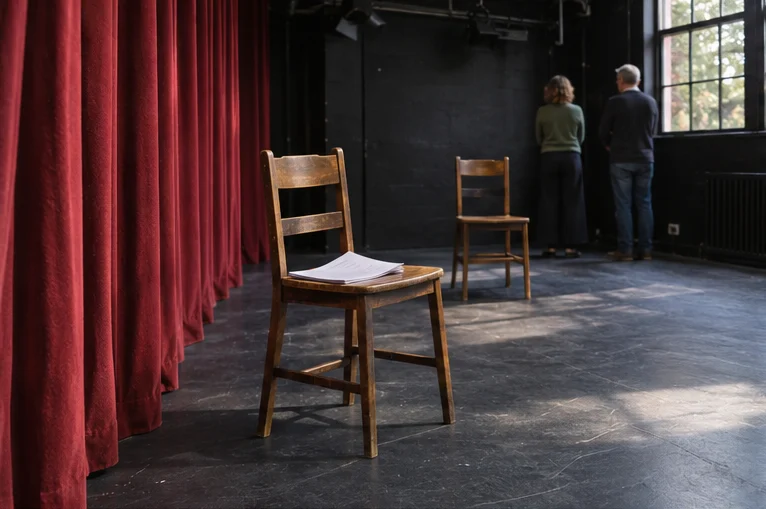
Use theatre, shared stories and creative participation to open up conversations. Explore how performance can help us see familiar questions afresh.
Discuss a creative session ↗Visual storytelling · Half-day or full day · In person
For community groups, youth groups and creative practitioners.
Make a small artist’s book using collage, drawing, found poetry and short pieces of writing. Try covering selected words to create a new reading, or opening a fold to reveal another voice. Work from supplied material or bring your own, and choose what to share. Leave with a handmade book or a page for a collective publication.
Theatre direction · Full day · In person
For amateur theatre groups, emerging directors and ensembles.
Take a short script from first read to a staged scene. Try different approaches to blocking, pace and giving actors notes, then see what each choice does to the scene. Leave with a rehearsal plan you can use on your next production.
Participatory theatre · Full day · In person
For community arts groups, educators and youth workers.
Explore Augusto Boal’s Theatre of the Oppressed through Image Theatre, using still images to make relationships and power visible. Develop one image into a short Forum Theatre scene, then replay it so participants can step in and try different responses. Leave with a devised scene and a way to facilitate the replay.
No acting experience is needed. Participants can take part by performing, observing or offering ideas. We can agree access needs in advance and use fictional scenarios without asking anyone to share personal experiences.
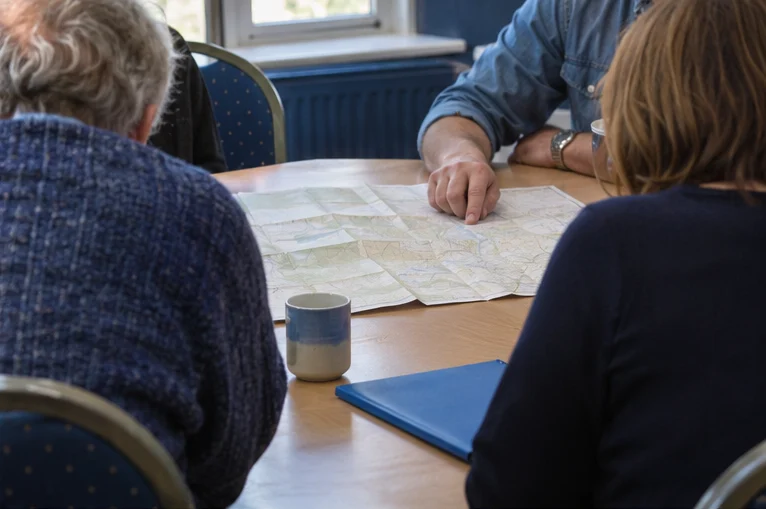
Make room for difficult histories and different perspectives. Facilitated discussion that invites curiosity, reflection and meaningful exchange.
Start a conversation ↗Peacebuilding · 2 hours · Online or in person
For community groups, youth workers and cross-community projects.
Use paired listening and contrasting accounts of a shared event to explore what each person noticed, valued or remembered. Take away prompts for a conversation across different experiences and histories.
Peacebuilding · Half-day · In person
For community groups and cross-border partnerships.
Use maps, photographs and everyday objects to share what matters about the places you come from. Build a shared map of connections and choose one idea for a joint activity or exchange.
Education and healthcare · Level 6 · Format by arrangement
For training providers and groups of learners preparing for or working in these roles.
I have delivered Level 6 training for Special Needs Assistants and Healthcare Assistants and can deliver it for your learners. I use practical scenarios and guided reflection to connect course material with everyday work in education or care. Sessions can be planned around your programme and learners’ needs.
Disability equality · Half-day · Format by arrangement
For staff teams, educators, boards and community organisations.
Use the social model of disability to identify physical, communication and attitudinal barriers. Use the human rights model to ask who gets to make decisions, what equal participation requires and who is responsible for making change. Bring a real policy, event or service and leave with practical changes to discuss with disabled people.
Peer support · Half-day · In person
For peer workers, volunteers and community mental health teams.
Explore what mutuality and lived experience bring to peer support. Practise listening and agreeing boundaries, then discuss the Soteria model as a case study in relationship-based support in a small, home-like setting. Leave with a set of questions to help your group agree how it offers support.
Dementia care · One or two days · Tailored formats available
For family members, unpaid carers and care staff supporting someone living with dementia.
A practical workshop on reminiscence in dementia care, drawing on Remembering Yesterday, Caring Today by Pam Schweitzer and Errollyn Bruce. Pam's Remembering Yesterday, Caring Today project has reached 16 countries.
I've been part of the European Reminiscence Network for 15 years and am one of its Irish representatives. This workshop draws on training I co-delivered in Dublin with Anne-Marie Bolder from the Netherlands and on work with colleagues in Barcelona and across Europe. I write about those collaborations in The Power of Memory.
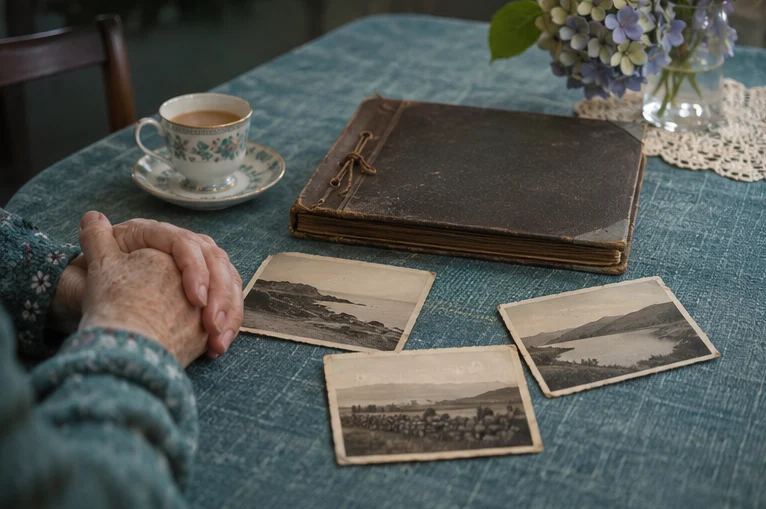
One day Explore how photographs, familiar objects, music and everyday stories can invite a shared moment. Practise offering prompts without putting anyone on the spot, following the person’s lead and changing course if a memory brings distress. Leave with an activity you can adapt for home or a care setting.
Two days Build on those skills by designing and practising a short reminiscence session. Explore how to adapt it for one-to-one or small-group use, including ways to join in through gesture, music or looking at objects together.
The workshop can also be shortened or spread across several sessions to suit your group.

Explore identity, belonging and difference. Help young people and groups find their voices, listen to one another and examine assumptions.
Enquire about a workshop ↗Community innovation · Half-day or full day · In person
For young people, youth workers and community groups.
Bring a local challenge. Start by listening to the people affected, turn what you hear into a design question and sketch several ways forward. Build a simple prototype and use feedback to decide what to change. Leave with an idea to test locally and a plan for who to involve next.
I previously delivered design thinking training for icecream architecture, working with young people, youth groups and communities to apply design thinking to local projects.
Leadership · Half-day · In person
For team leaders, boards, committees and volunteer coordinators.
Interview a partner about a time their team did good work together. Map the strengths and conditions that made it possible, then agree one small experiment to bring more of that into your next project.
Include the workshop title, who it’s for, your preferred date or timeframe and whether you’d like an online or in-person session.